Together From First Touch to Closed Won.
Optik gives your team one place to decide who to go after, understand them, reach out, work the deal, and see what needs attention next. AI helps throughout, while your team stays in control.
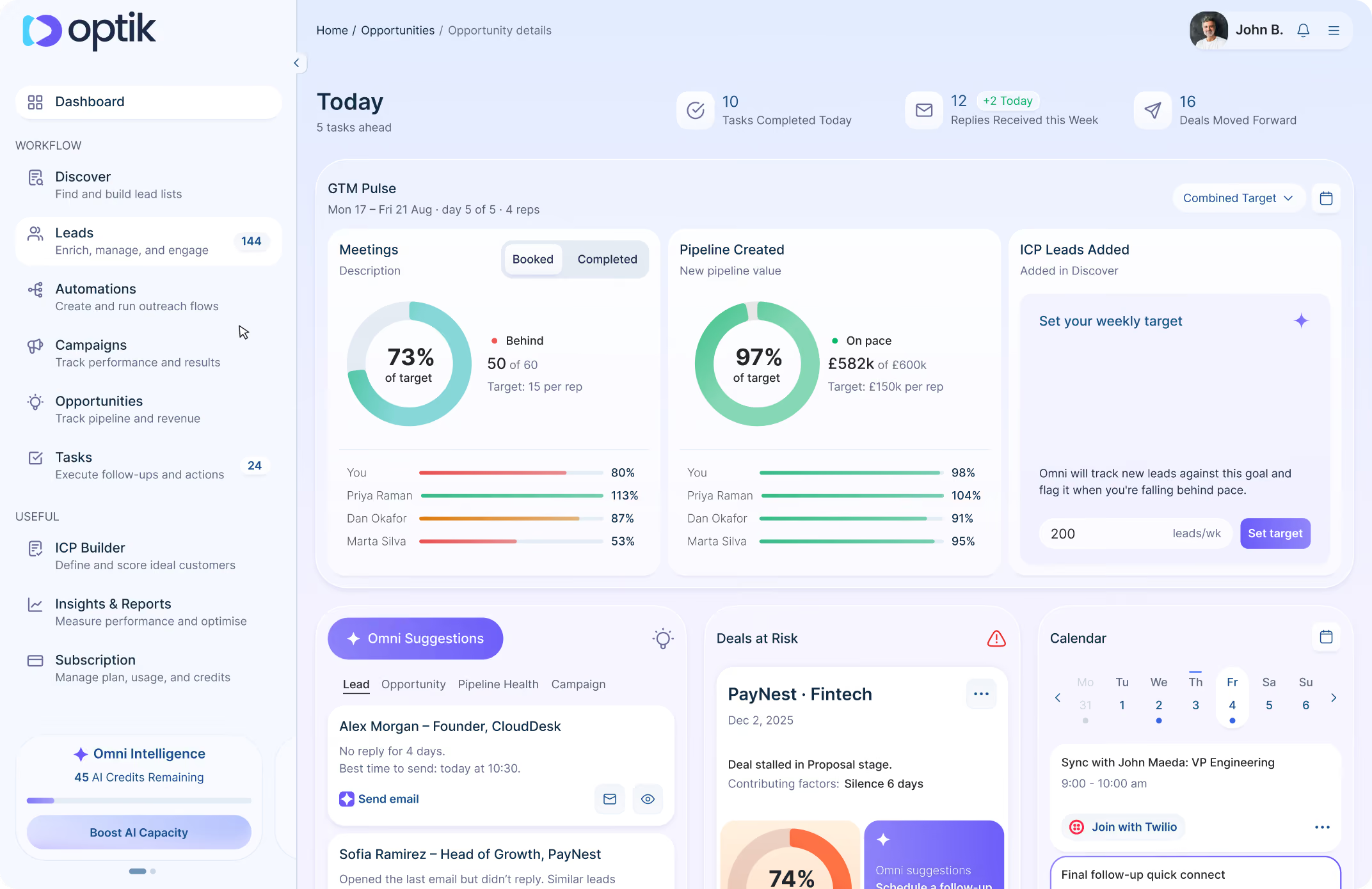
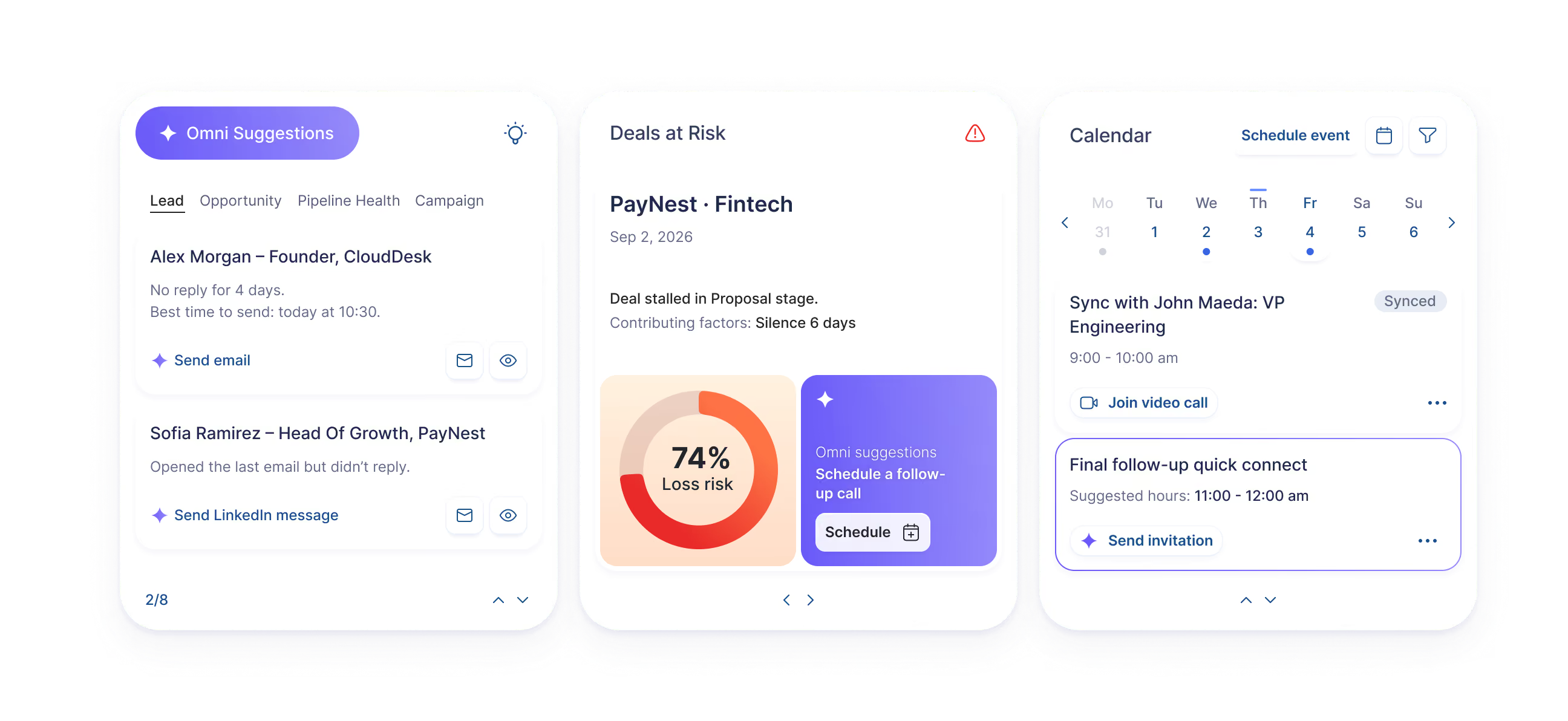
Focus for Today
See the tasks, replies, meetings, and deals that need your attention.
Deals at Risk
See which opportunities are slowing down before another week disappears.
Omni Suggestions
Get the signal and something useful to do with it.
From ICP to Closed Won, in One Place.
Work stays connected as it moves. Start with who to sell to, find and prioritise the right people, keep that context through the deal.
Start With Who You Actually Want to Sell To.
Define what a good customer looks like, from the company to the buyer.
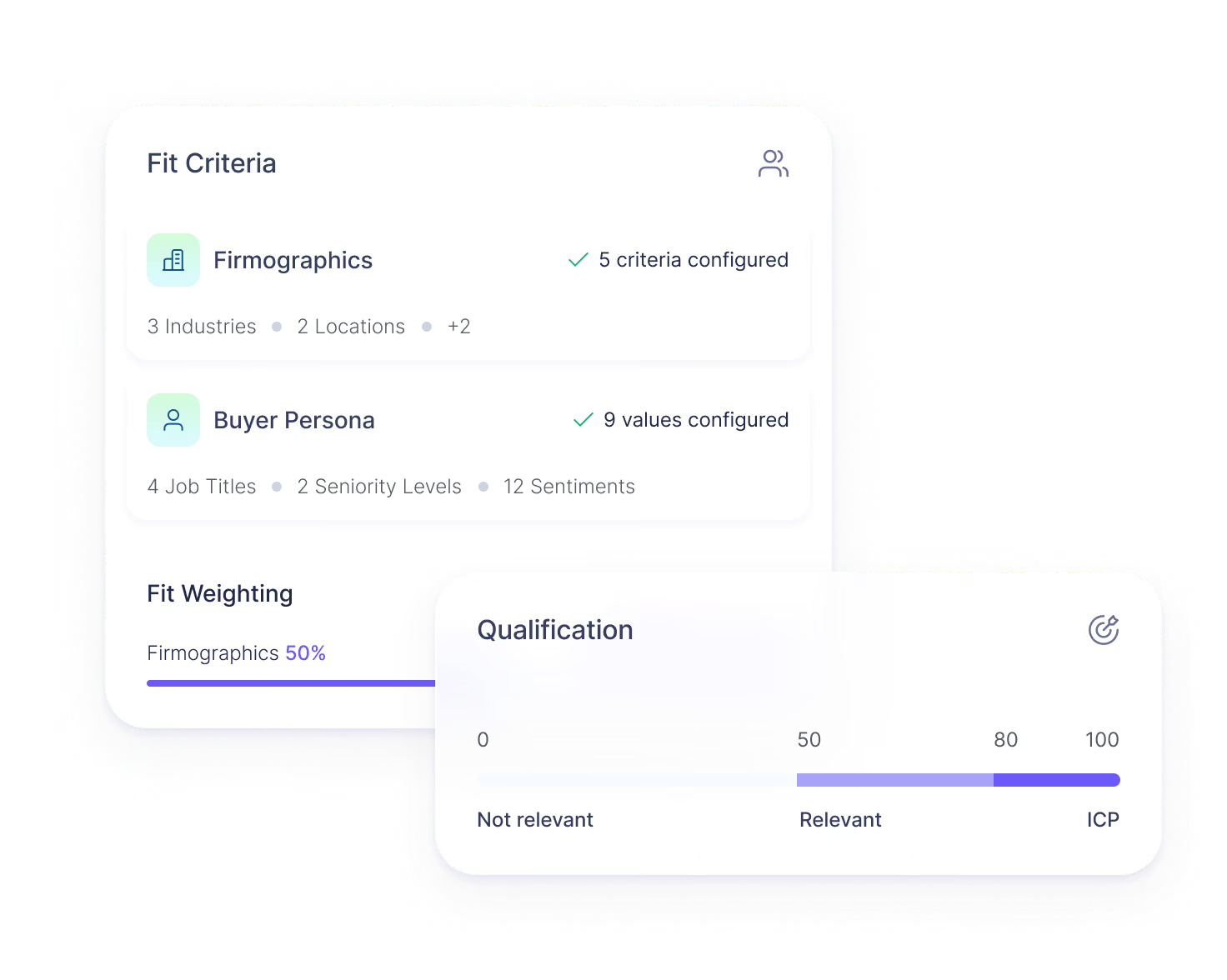
Set the firmographics, signals, roles, and other things that matter to your team, then score them based on how important they are.
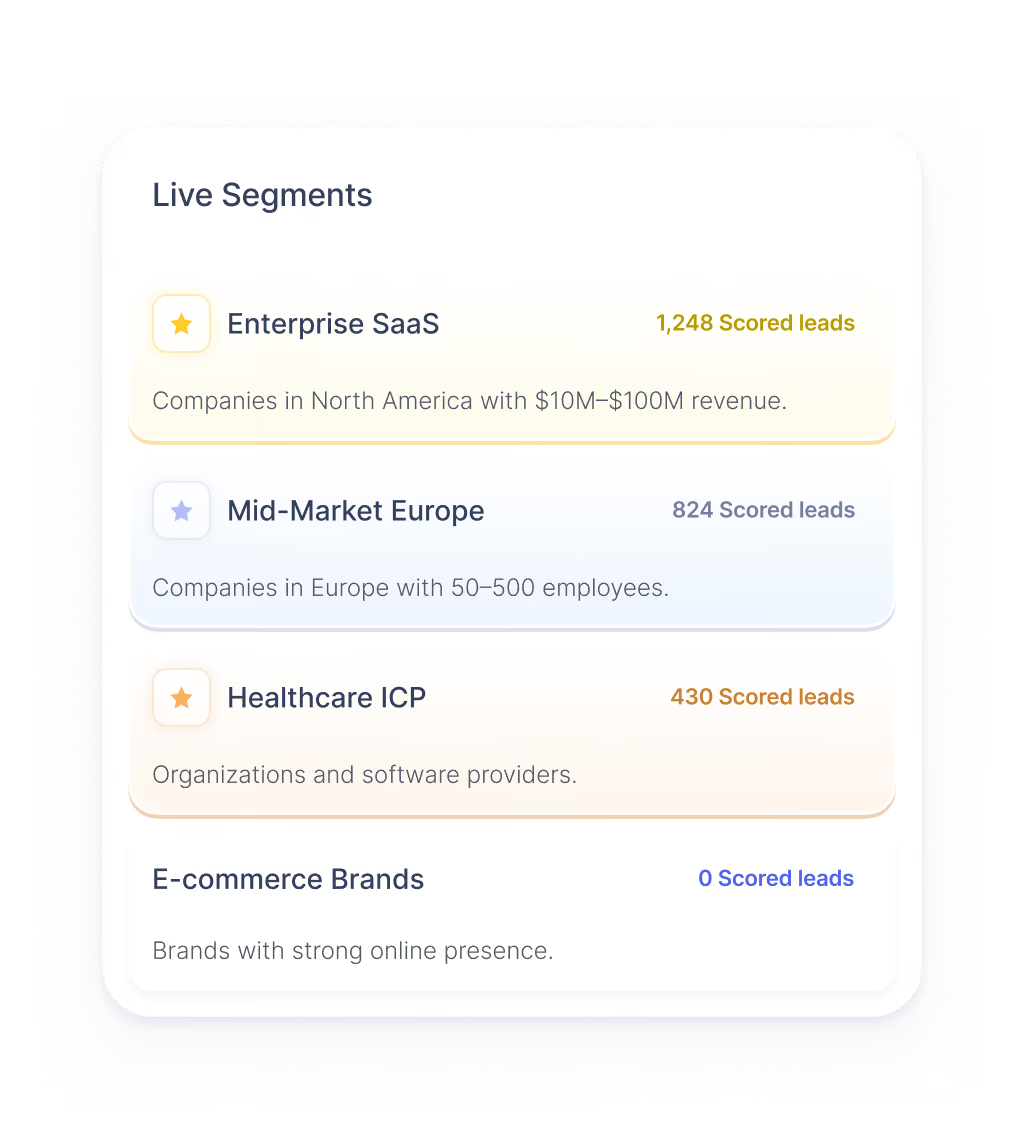
Save it as a live segment that can keep refreshing instead of rebuilding the same static list later.
Build the List Without Leaving the Workflow.
Find the accounts and people that fit, then fill in what you need to work them.
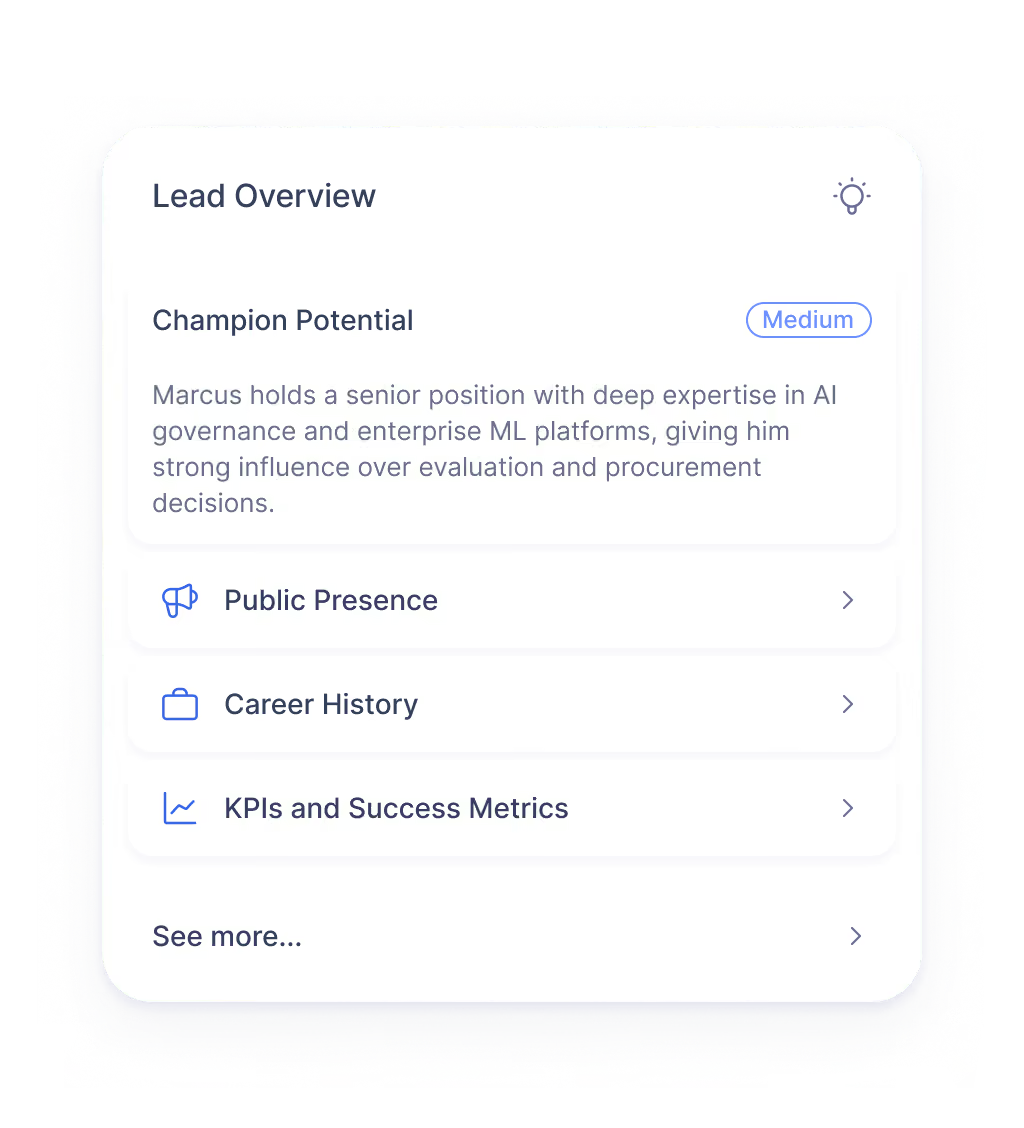
Optimize
Turn a name into useful context: who they are, what they are responsible for, what is happening at the company, and what may make the conversation relevant.
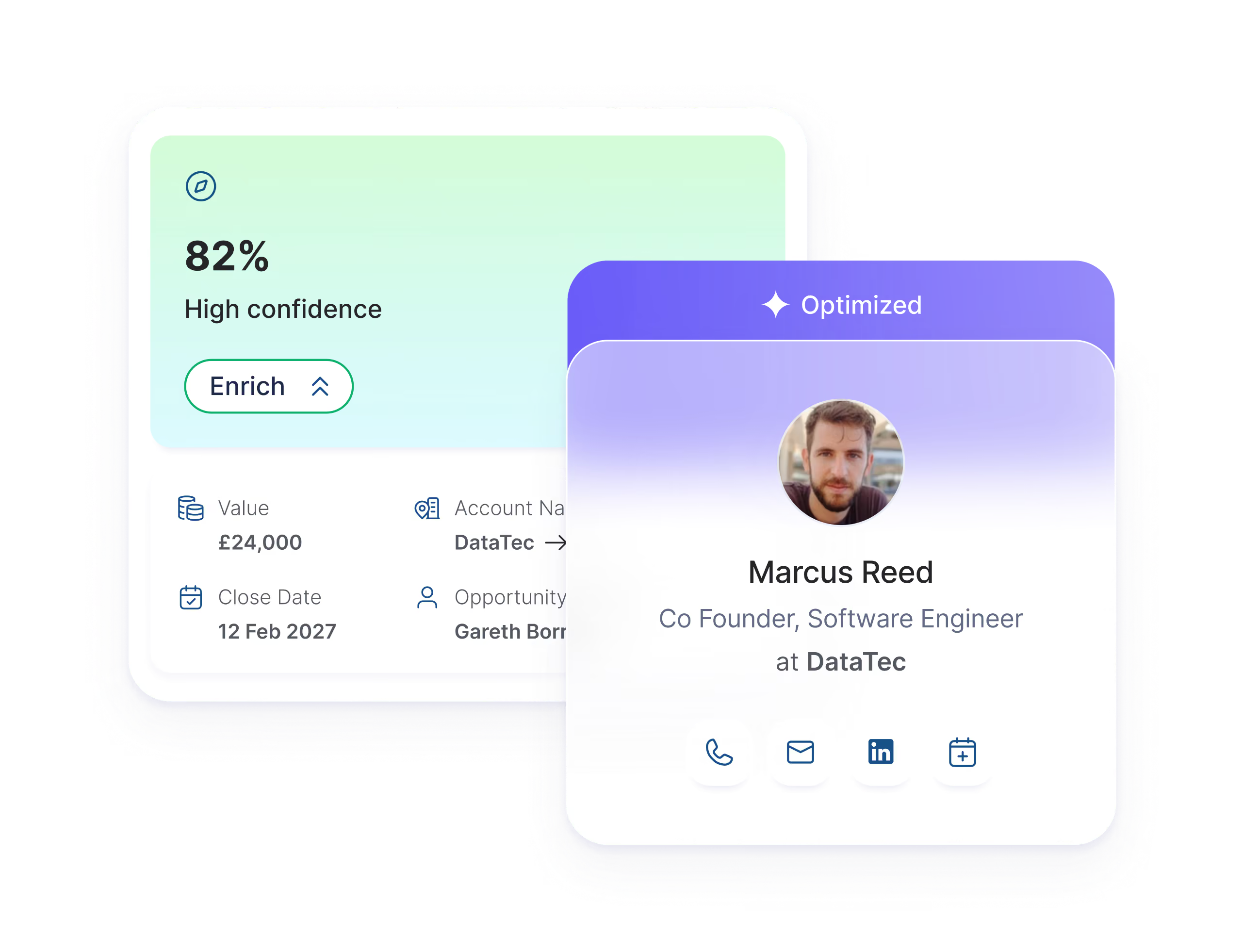
Verified contact data, company information, and research come into Optik around the account, without exporting a list, cleaning it somewhere else, and importing it again.
Know Who Is Worth Working First.
A list of 200 accounts is not much use if the rep still has to figure out where to start.
Optik uses your ICP, research, signals, fit, and timing to help rank the people worth looking at first. The rep opens to a clearer queue: who to contact, and why.
Take the Context Into the Conversation.
The research doesn't stop at a profile. Calls, email, and LinkedIn can sit inside the same workflow, with the context already around the person.
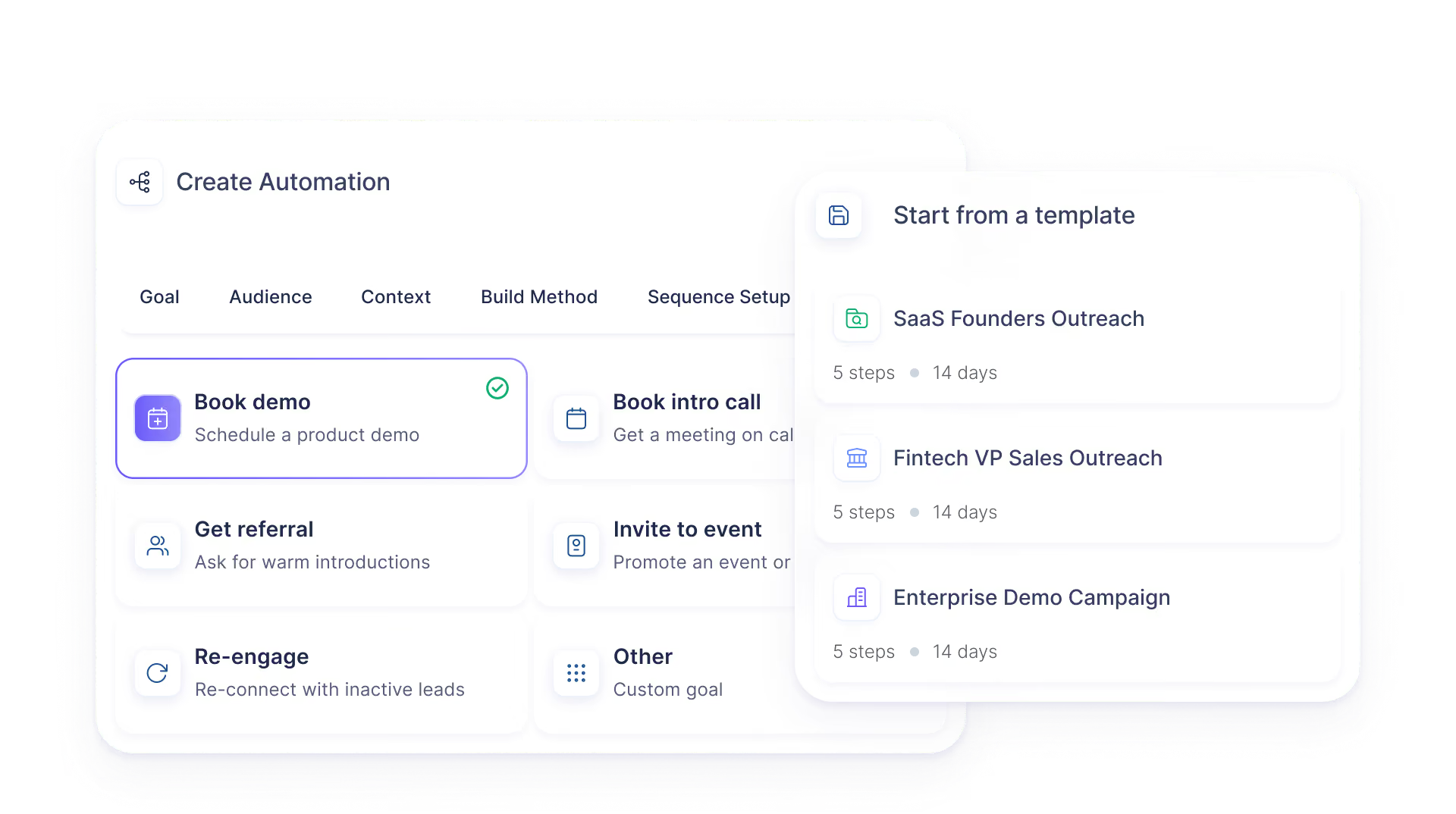
Automations
Build repeatable outreach around the goal, the audience, your material, and the research Optik already has.
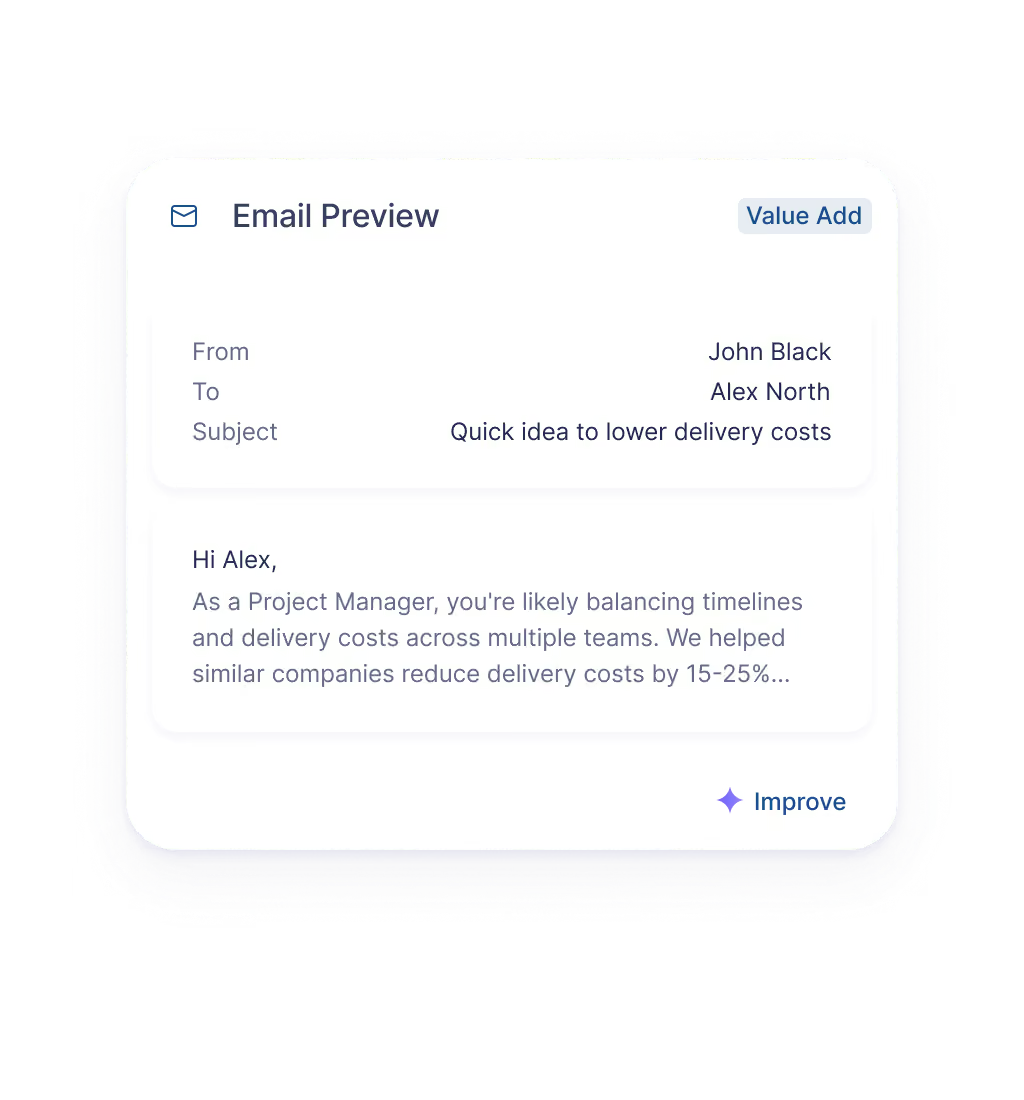
Start with what Optik already knows about the person instead of the same template everyone else is sending.
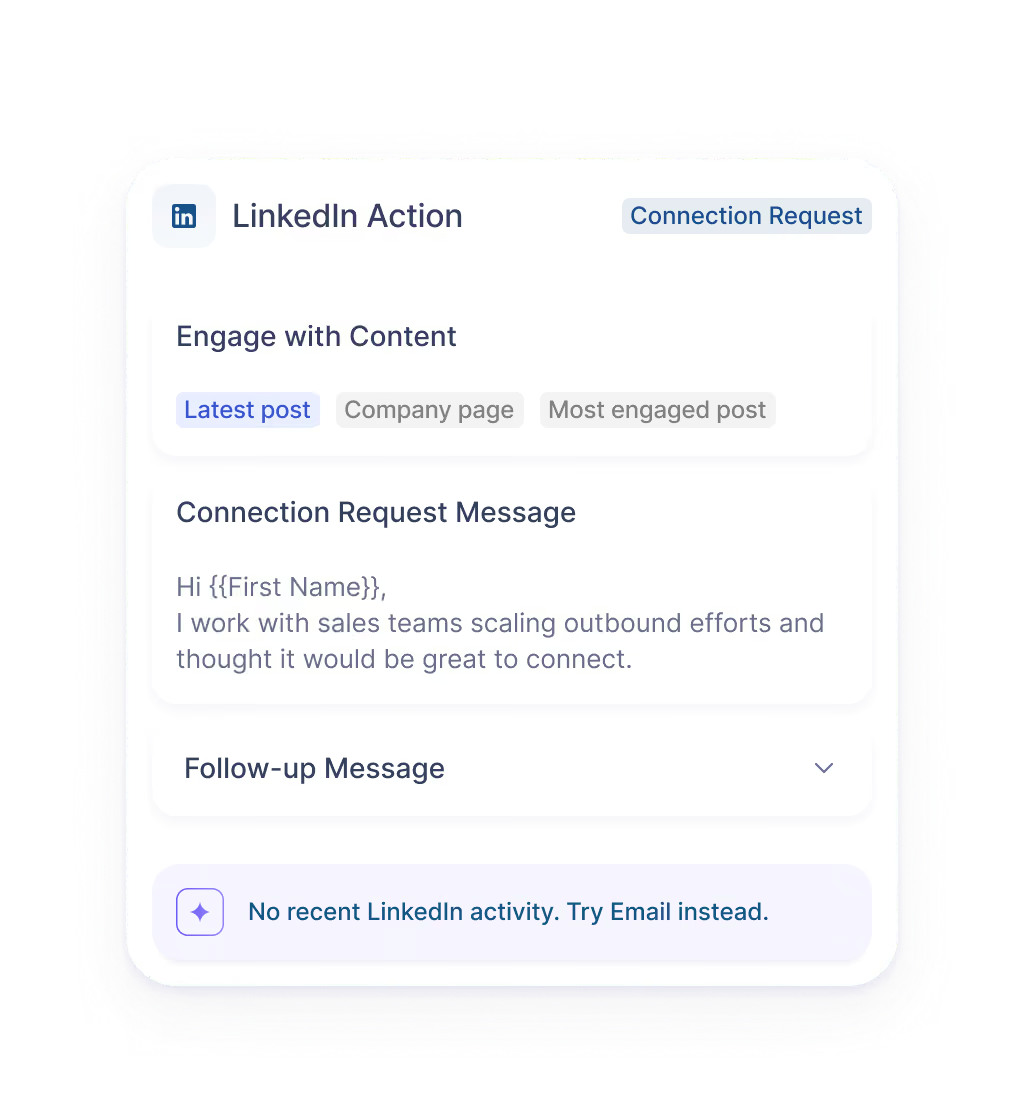
Use the research to help draft the message and keep LinkedIn inside the sequence.
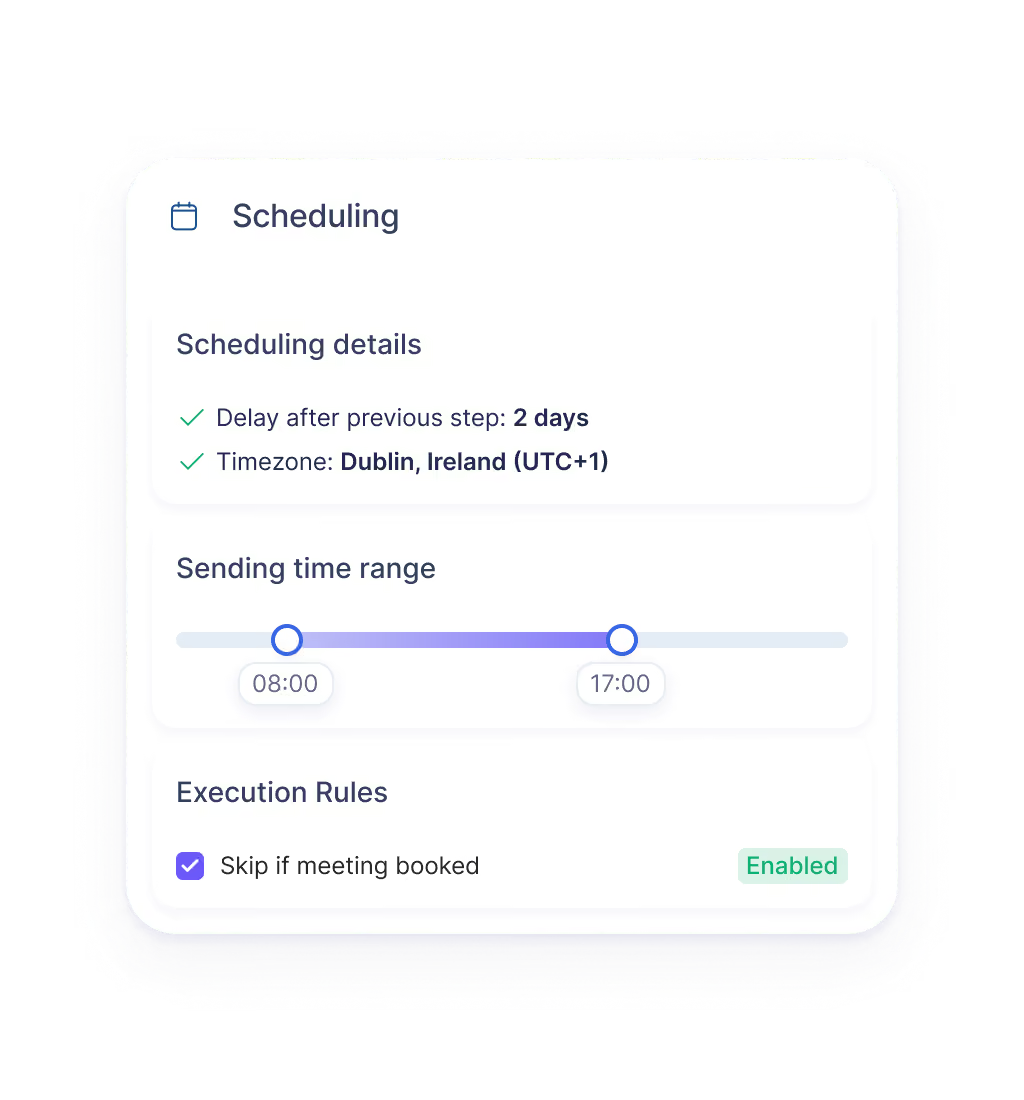
Scheduling & Follow-up
Book the next conversation, capture what happened, and keep the next step with the same lead.
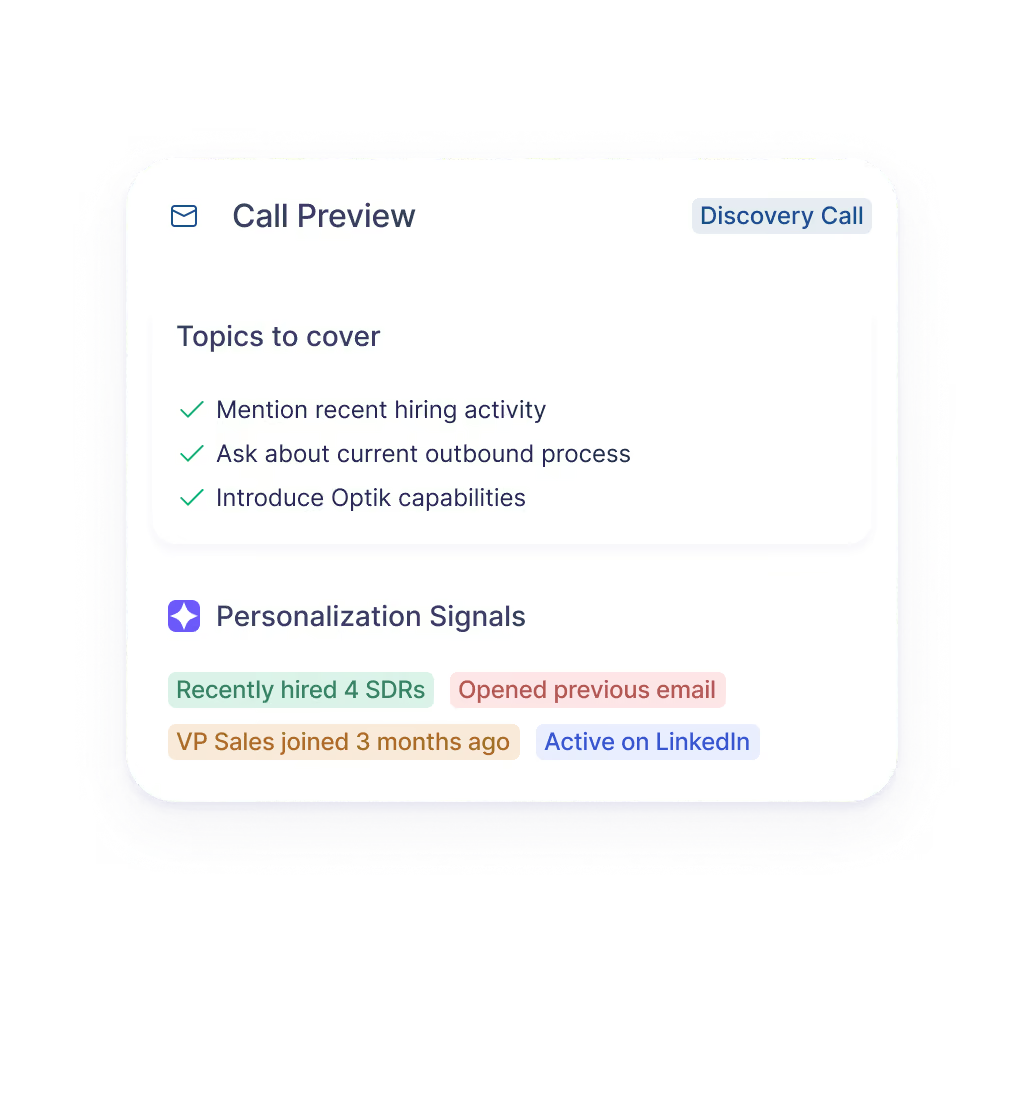
Calling
Call from the lead record and keep the conversation attached to the account and opportunity.
Keep the Deal Moving.
When a lead becomes an opportunity, the work that got you there comes with it.

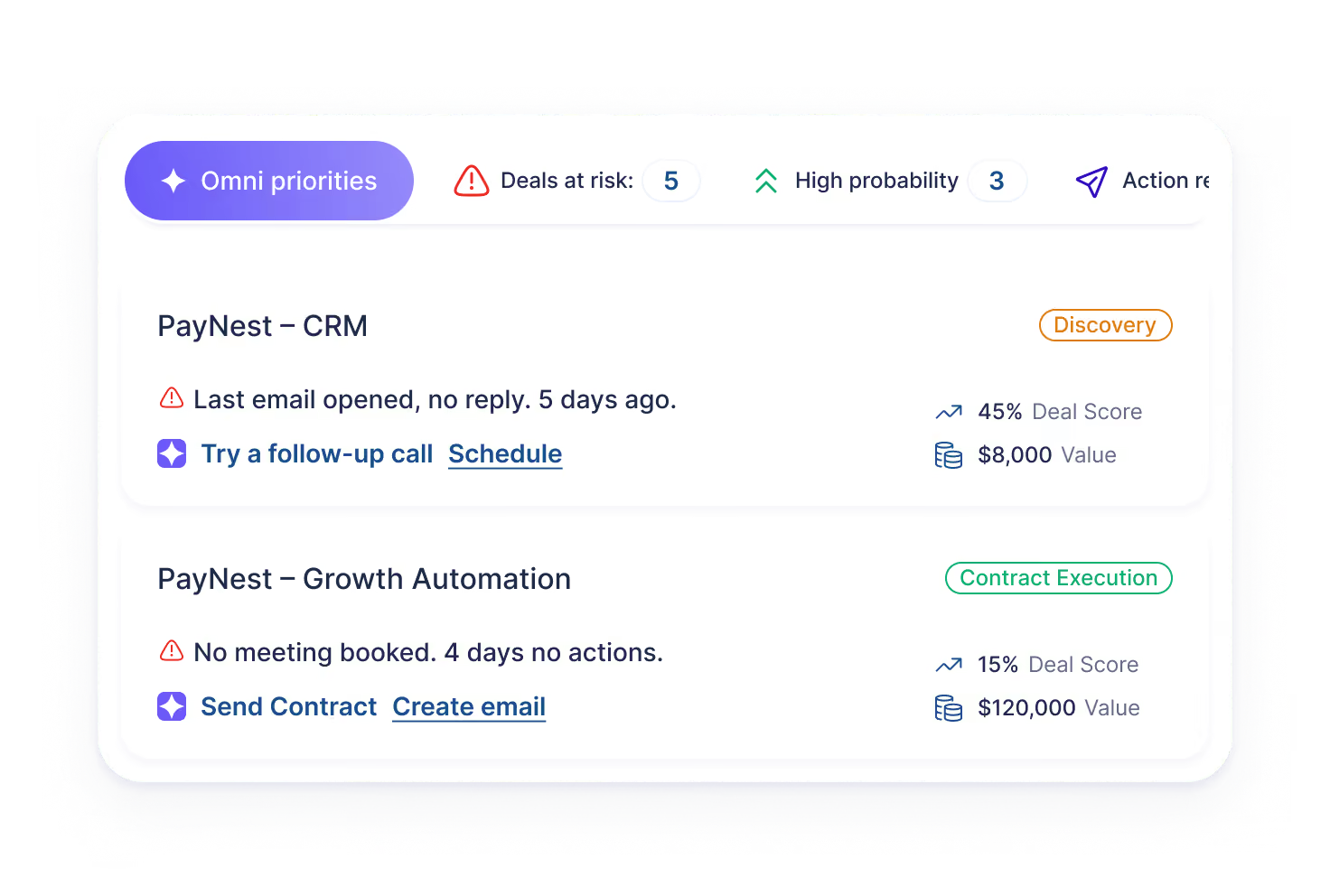
Opportunities
Keep the contacts, conversations, notes, activity, stage, and next steps around the deal.
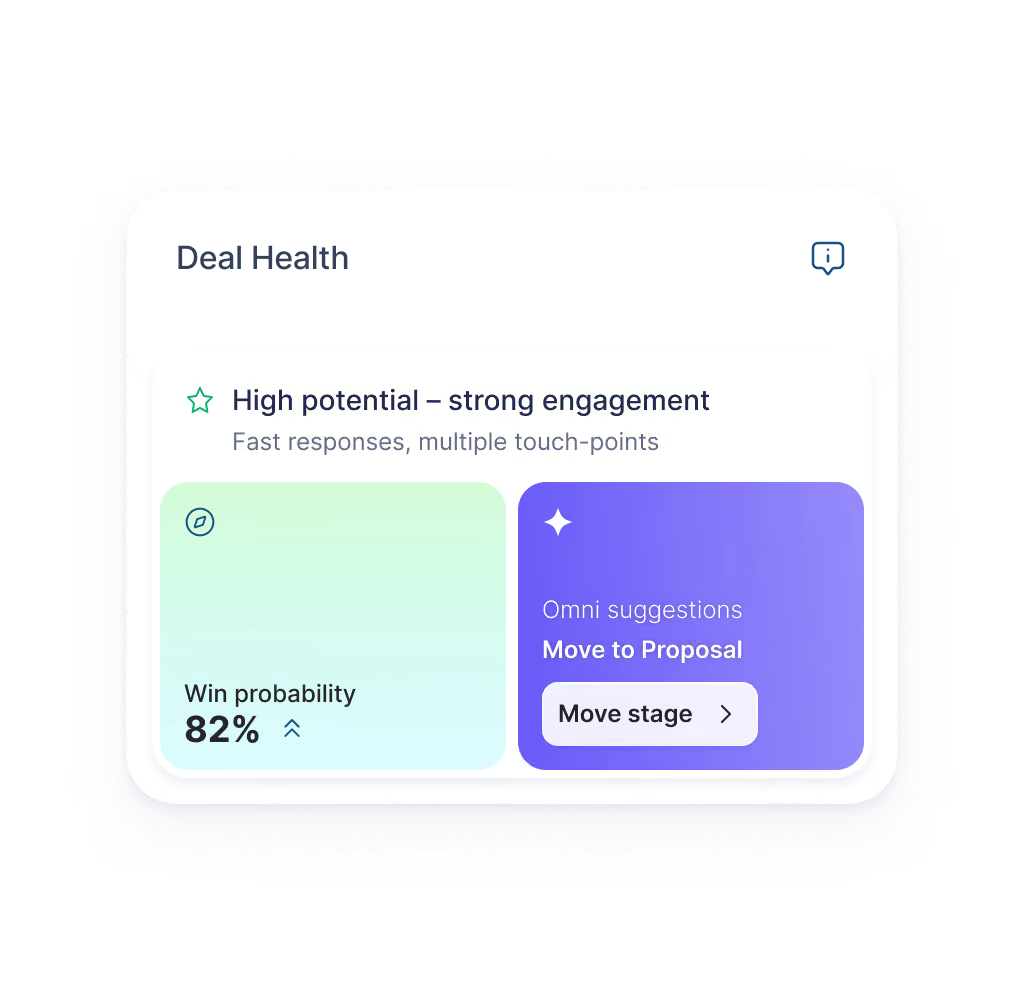
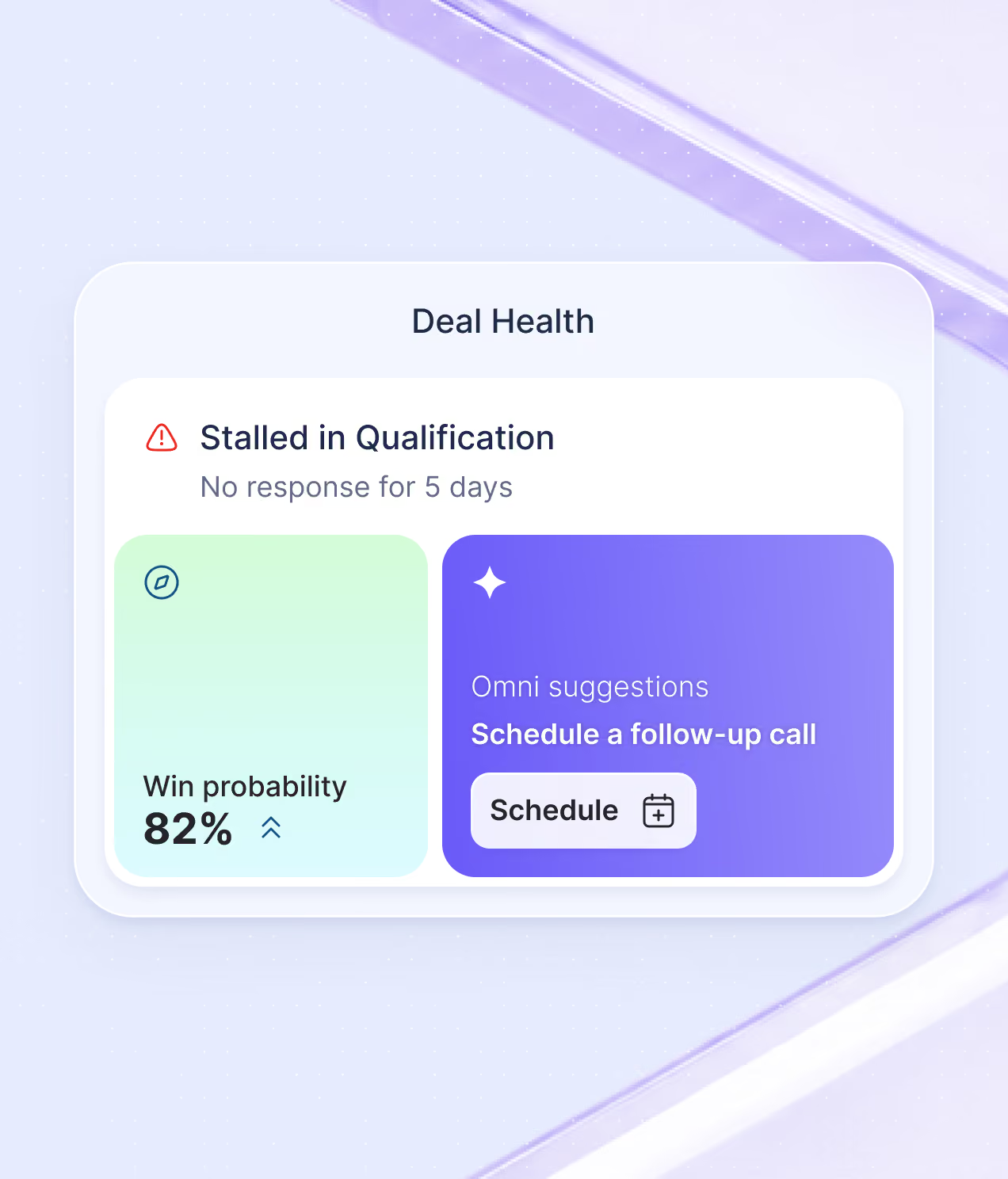
Deal Health
See what is progressing, what has gone quiet, and where the activity around a deal no longer matches the plan.
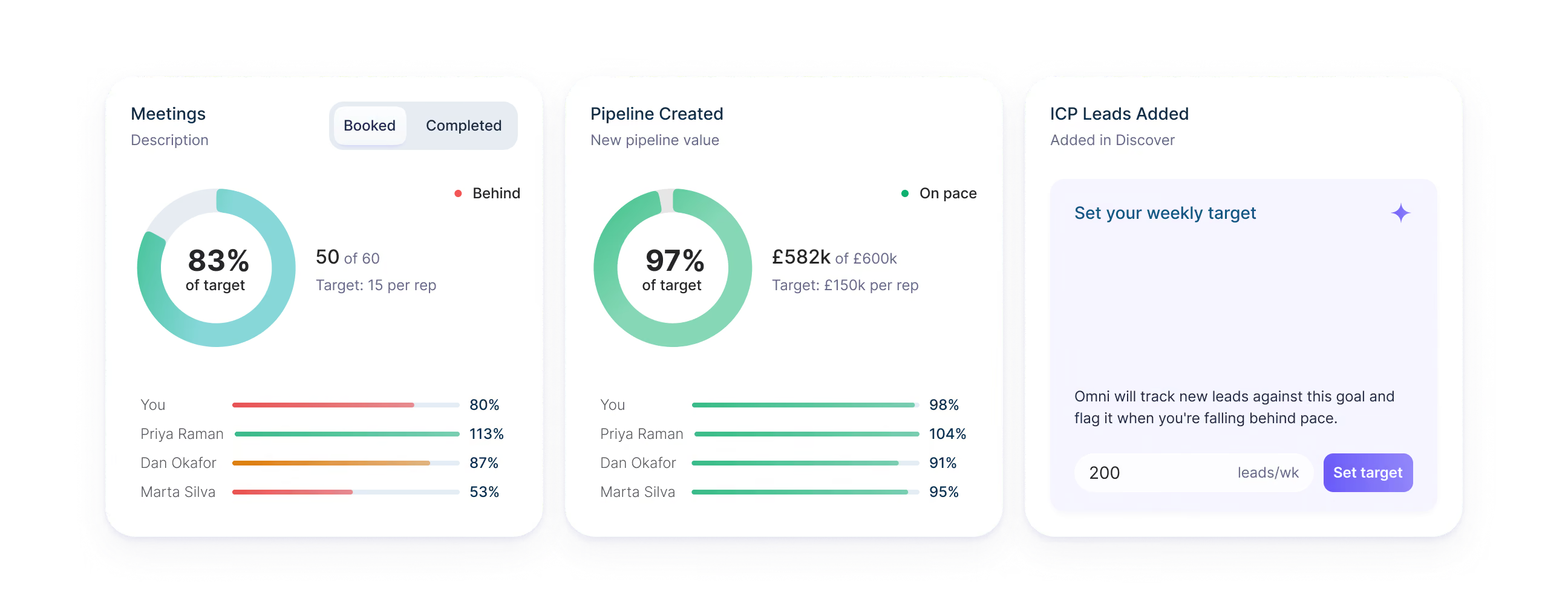
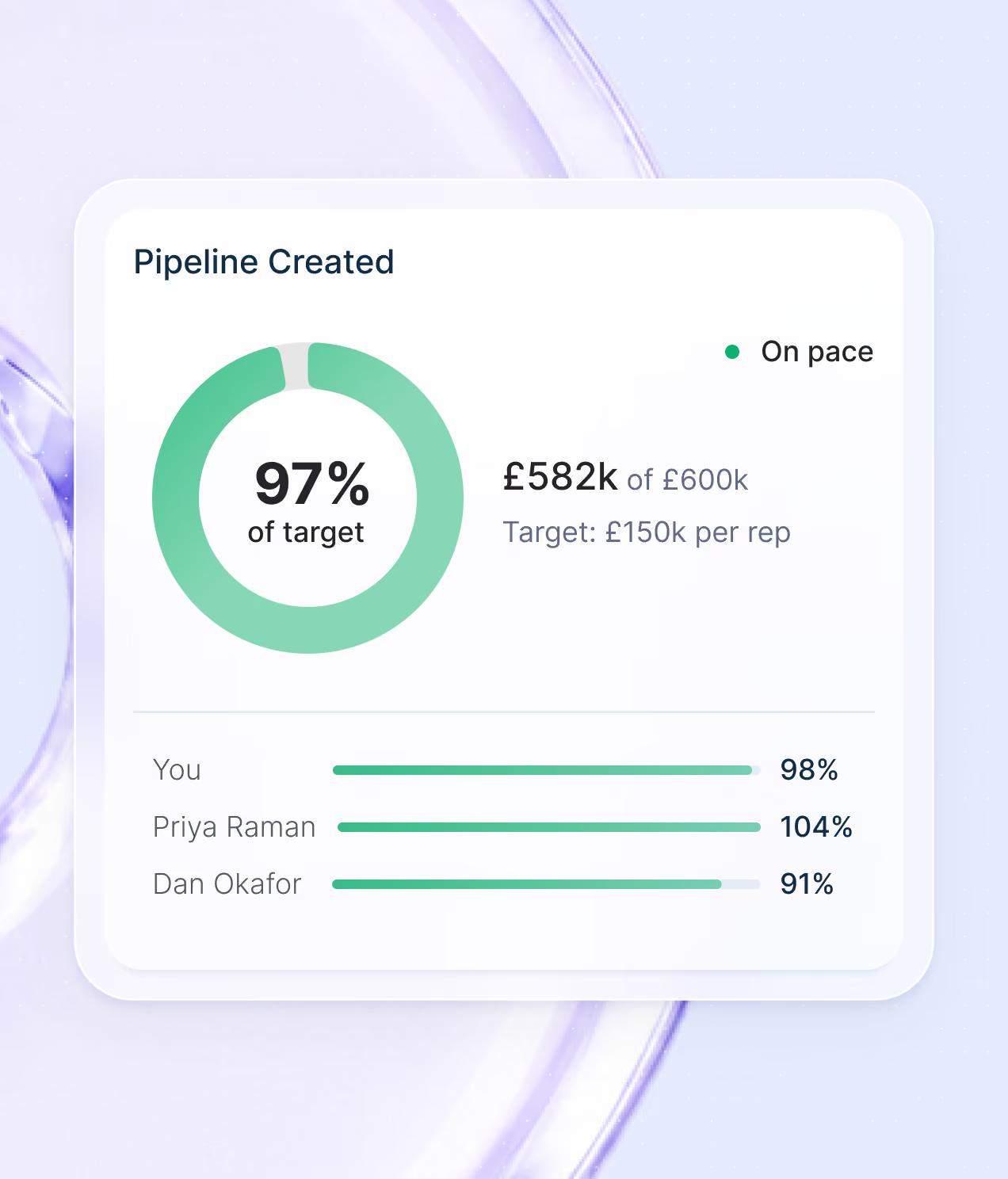
Pipeline & Forecast
Because activity and pipeline live together, leaders see the number alongside what's happening underneath.
See What the Team Is Actually Working On.
Because the work happens in Optik, leaders and operations don't need everyone to recreate it somewhere else.
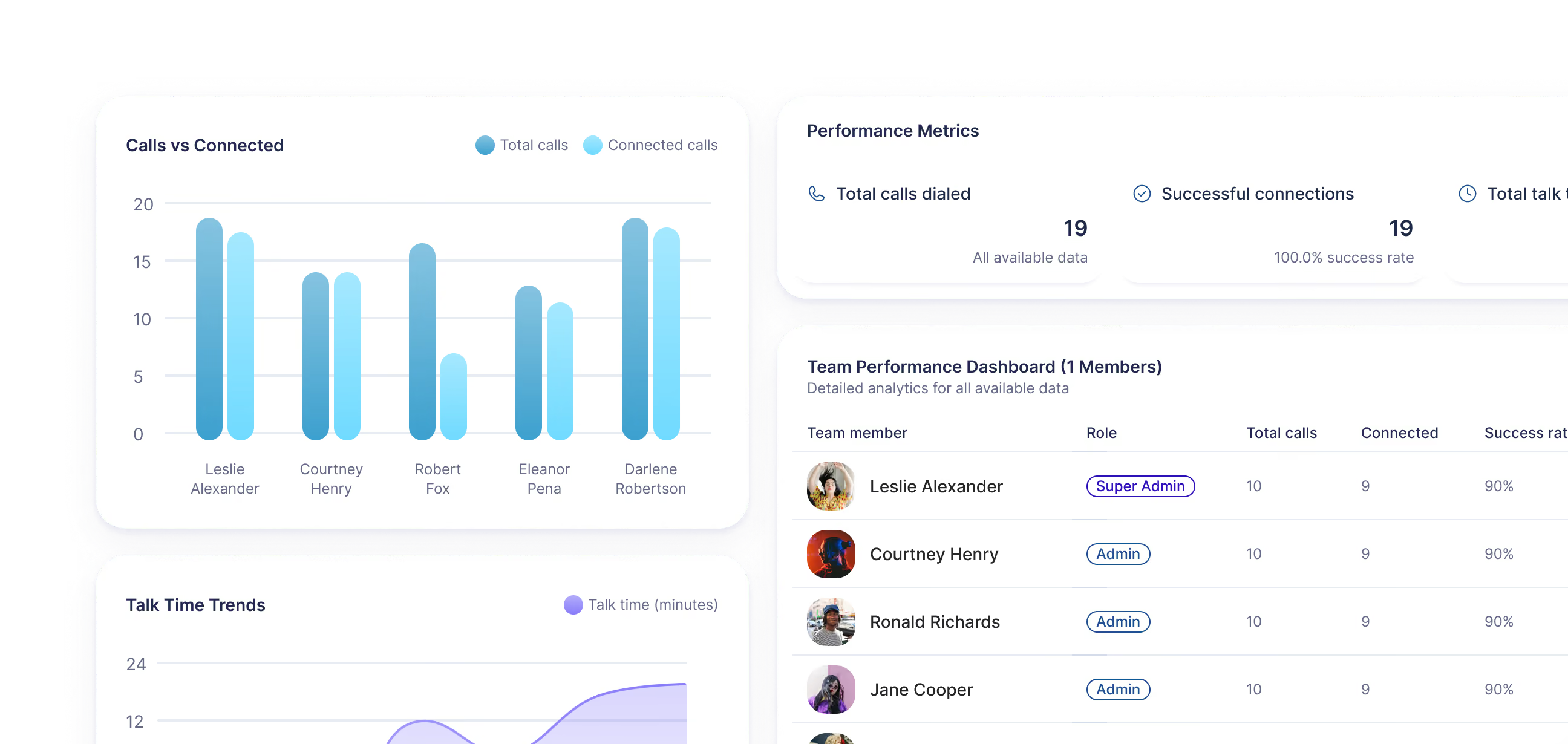
Insights & Reports
See activity, pipeline, and outcomes from the work already happening in the platform.
Rep Activity
See what people are actually working on and where their time is going.
Coaching
Say you asked the team to target CEOs and someone's last five leads are CROs.

Optik Was Built by People Who Carried a Quota and Designed to Keep You in Control.
The same platform should help a rep decide what to do today, a leader decide where to put their attention, and operations understand what is happening across the system.
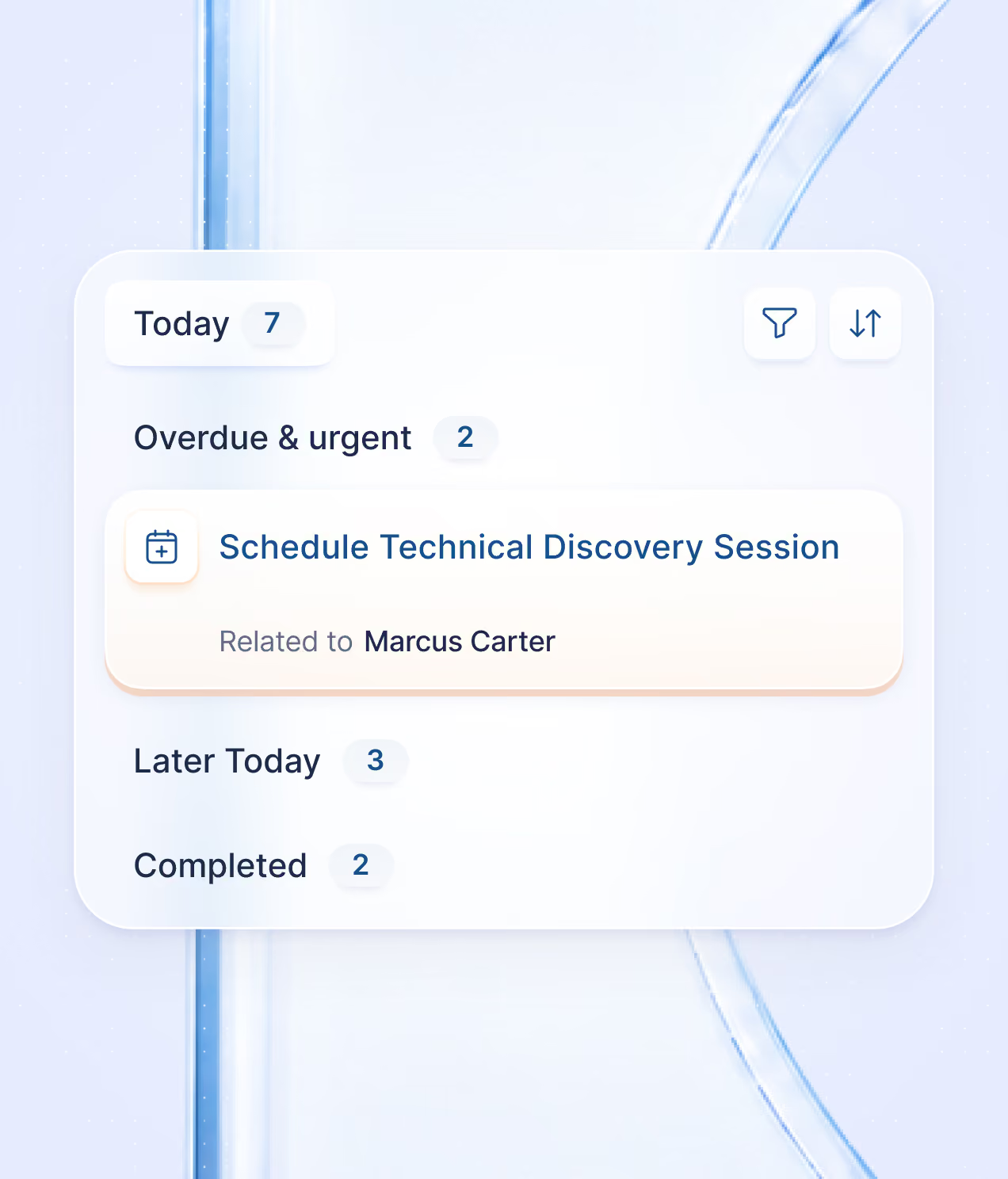
Reps
Run the day from one place, with the decisions and relationships staying with you.
Revenue Leaders
See which deals are moving, where they are stalling, and where the team needs attention.
Operations
Bring all the sales stack into one platform, with clearer control over setup, data, access, and integrations.
FAQs
How does Optik take a team from ICP to closed won?
Optik connects six stages of the GTM workflow: ICP building, data and enrichment, prioritisation, outreach, pipeline management, and the closed deal. The context built at each stage carries into the next instead of being split across separate tools.
What happens after I build an ICP in Optik?
The ICP becomes part of the workflow. It helps shape which accounts and people you find, how they are scored, and who the team may want to work first rather than sitting in a strategy document or static list.
How does data and enrichment work inside Optik?
Optik brings contact data, company information, and research into the account and lead record so the team can work from it directly. The goal is to remove the usual export, spreadsheet, cleanup, and import cycle between finding someone and actually selling to them.
How does Optik prioritise which leads or accounts to work first?
Optik can use the ICP, research, account signals, fit, and timing to help rank the people worth looking at first. Reps get a clearer queue instead of another long list they have to interpret on their own.
How does Omni Intelligence change for reps, revenue leaders, and operations?
Omni uses the same connected work differently depending on the role. A rep gets specific actions around leads, deals, and tasks. A revenue leader gets information that helps with decisions around coverage, commit, concentration, and risk. Operations can use it to investigate anomalies, data quality, capacity, routing, and performance.
How does Optik identify deals that may be starting to slip?
Optik looks at the activity and context around an opportunity, such as a deal going quiet, an important stakeholder being absent, or activity no longer matching the expected close. That gives the team a chance to inspect the deal while there is still time to act.
How can revenue leaders use Optik for pipeline and forecasting?
Leaders can see pipeline, coverage, commit, risk, and the activity underneath them in the same platform. Instead of looking at the number on its own, they can inspect what is actually happening in the deals behind it.
What happens to what the team learns after a deal closes?
It stays connected to the work that produced it. Won and lost reasons, engagement, conversations, and outcomes can feed back into the ICP and help shape who the team targets and how it works the next motion.
We’ll work through it live, in Optik, on a call with our team.